Why Jaydens Landscaping Delivers Year-Round Curb Appeal in the GTA
Living in the Greater Toronto Area means dealing with four distinct seasons, and each one brings its own challenges for your outdoor space. I have worked on properties across Markham and Scarborough where the same yard looks completely different from July to January. That is why finding a landscaping partner who understands the full cycle matters. When I first started in this trade, I learned quickly that a beautiful spring garden means nothing if the driveway heaves in winter or the grading sends water into the basement. The best projects balance aesthetics with function, and they hold up through freeze-thaw cycles, heavy rain, and snow loads.
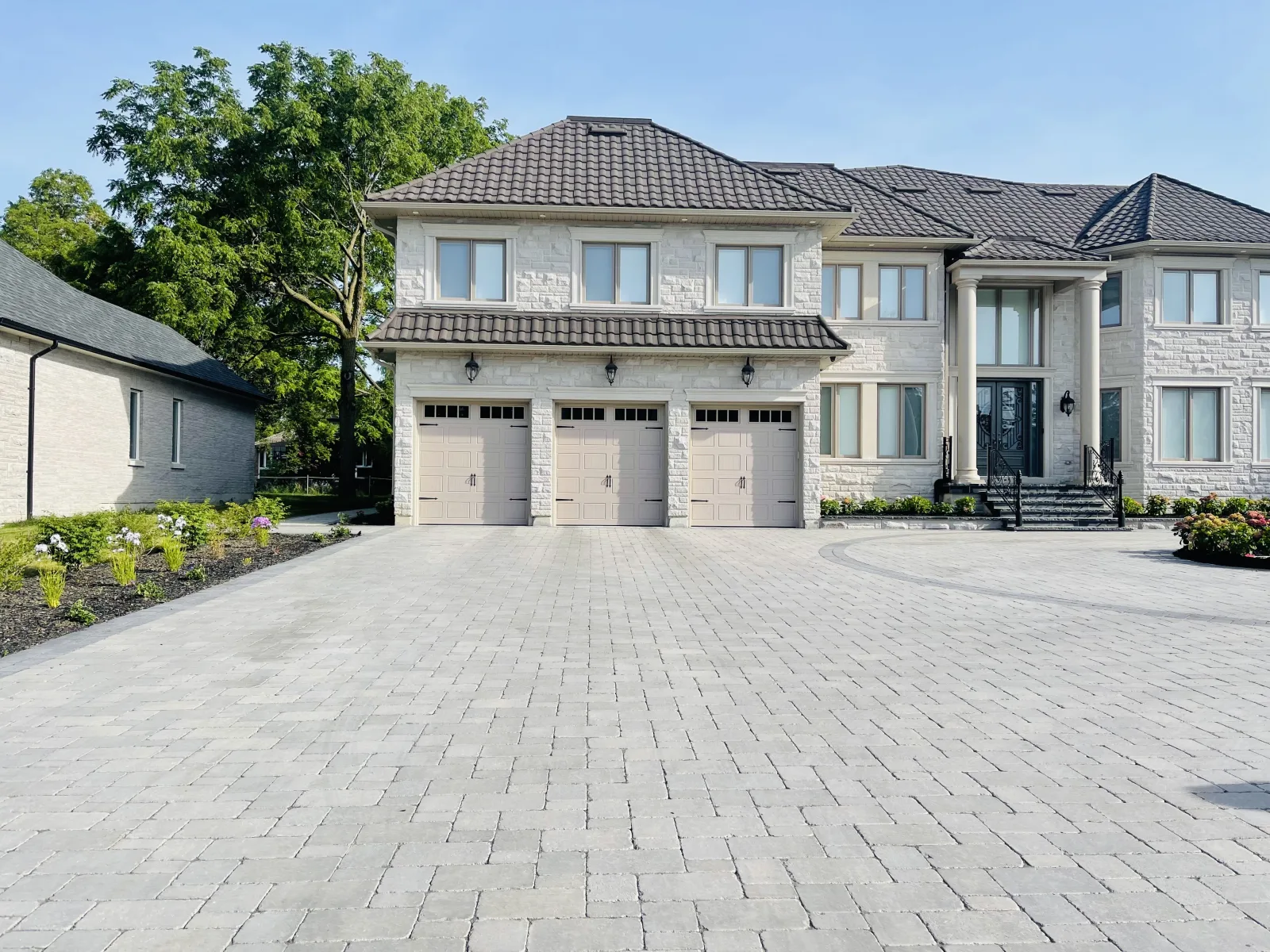
Over the years I have seen homeowners pour money into landscaping that looks great for one season and then falls apart. The difference between a short-lived install and something that lasts decades comes down to preparation. Proper excavation, base compaction, and material selection are not glamorous, but they determine whether your interlocking driveway stays level or turns into a tripping hazard. I have pulled up pavers that were laid on too little gravel, and the difference in effort was night and day. That is why I always emphasize getting the foundation right before anything else.
Hardscaping That Works With the Climate
Hardscaping is the backbone of any well-planned yard. In places like Markham and Scarborough, where we see temperature swings from minus twenty to plus thirty, the materials you choose matter more than the design. Concrete pavers are a popular choice because they offer consistent colour and strength. But I have also installed permeable pavers on properties where drainage was an issue. Permeable pavers allow water to filter through the surface instead of running off into the street or pooling near the foundation. That is a smart move on clay-heavy lots, which many parts of the GTA have.
Stone veneer adds a natural look to retaining walls and outdoor kitchens. I have used it to wrap a fireplace surround and tie it into the rest of the landscape design. The key with stone veneer is matching the mortar colour and the joint width so it does not look like a sticker slapped on a box. When done right, it gives the feel of solid stone without the weight and the cost. Retaining walls are another area where I have seen both good and bad work. A wall that is not engineered for the soil load will bulge or collapse within a few years. In some yards I worked on near the Rouge River, the slope required a tiered wall system with proper drainage behind each course. That is not the kind of thing you learn from a YouTube video.
Outdoor Kitchens and Living Spaces
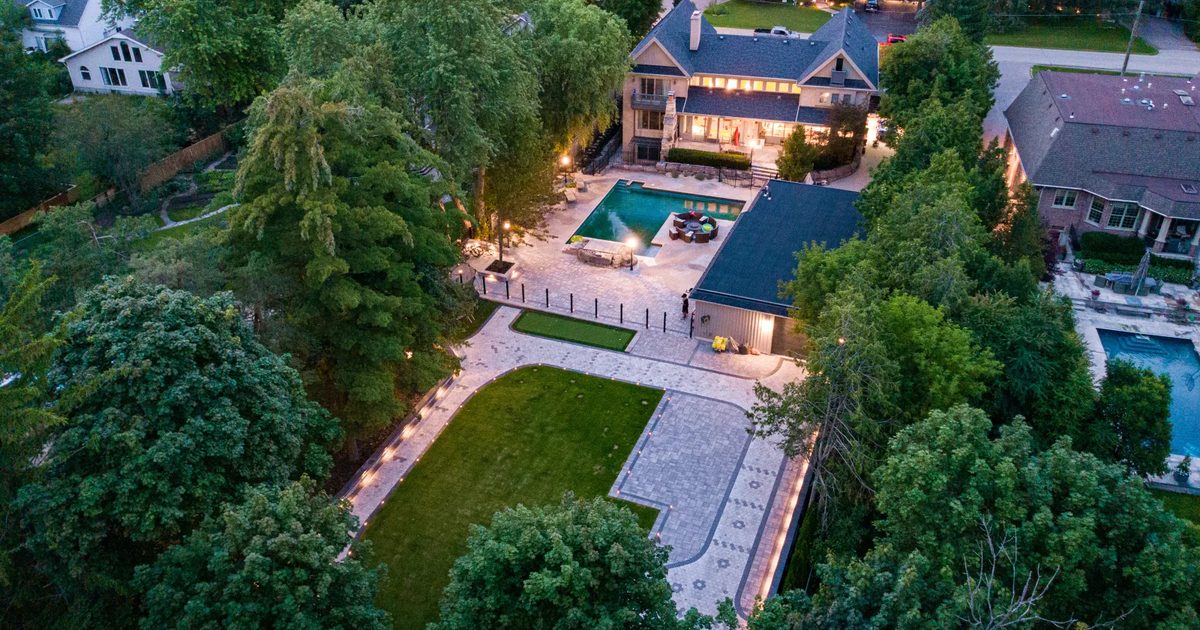
Outdoor kitchens have become more common in the GTA over the last decade. I have built them with built-in grills, counter space, and even small refrigerators. The biggest mistake I see is putting the kitchen in a spot that gets full afternoon sun with no shade. That sounds nice on paper, but when you are cooking in July, it becomes unbearable. Placing the kitchen under a pergola or near a tree that provides dappled shade makes the space usable for more hours. LED landscape lighting also plays a big role here. I have wired up pathways, under-counter lights, and uplights on trees so the space stays inviting after dark. Good lighting extends the season into the evening, which matters when summer days are long but evenings cool off fast.
Irrigation systems are another piece that often gets overlooked until it is too late. I have seen beautiful perennial beds dry out because the hose never reaches that corner. A simple drip line on a timer solves that. But be careful with placement. I once installed a system where the emitter was too close to the foundation and it caused moisture issues. Moving it six inches away fixed everything. That kind of detail is what separates a thoughtful install from a rushed one.
Maintenance and Seasonal Transitions
Landscaping does not stop after the initial install. In fact, the first year is the most critical. New sodding needs regular watering, perennials need deadheading, and mulch needs topping up to keep weeds down. I have worked with clients who wanted a low-maintenance yard, and that is possible, but only if you choose the right plants and hardscape materials from the start. Annuals offer instant colour but require replanting every year. Perennials come back, but they spread and need dividing after a few seasons. There is a trade-off with every choice.
Snow removal is the winter side of the business that many landscaping companies ignore. But for homeowners in Scarborough and Markham, a reliable snow removal service is just as important as summer maintenance. I have cleared driveways where the concrete pavers were damaged by a plow blade that was set too low. That is why I prefer to use a combination of salting and shovelling on interlocking driveways. Salt can stain some paver colours, so I recommend using a calcium-based product instead of rock salt. Small adjustments like that protect the investment you made in the spring.
Grading is another task that comes up every season. After heavy rain, I have seen low spots turn into muddy patches that kill the grass. A quick regrade with some topsoil and new seed usually solves it, but if the problem keeps coming back, you might need a more permanent solution like a French drain or a swale. I tell homeowners that grading is not a one-time fix. The ground settles, tree roots shift, and water always finds the easiest path. Keeping an eye on it saves you from bigger repairs later.
Why Experience Matters in the GTA
I have been doing this long enough to know that every yard is different. A property in Markham with clay soil behaves nothing like a sandy lot near the lake in Scarborough. The same plant that thrives in one spot might struggle twenty kilometres away. That is why I do not offer cookie-cutter designs. I walk the property, look at the sun patterns, check the drainage, and talk to the homeowner about how they actually use the space. Some people want a low-maintenance yard with lots of hardscaping and evergreens. Others want a vegetable garden and a patch of lawn for the kids. Both are valid, but they require different approaches.
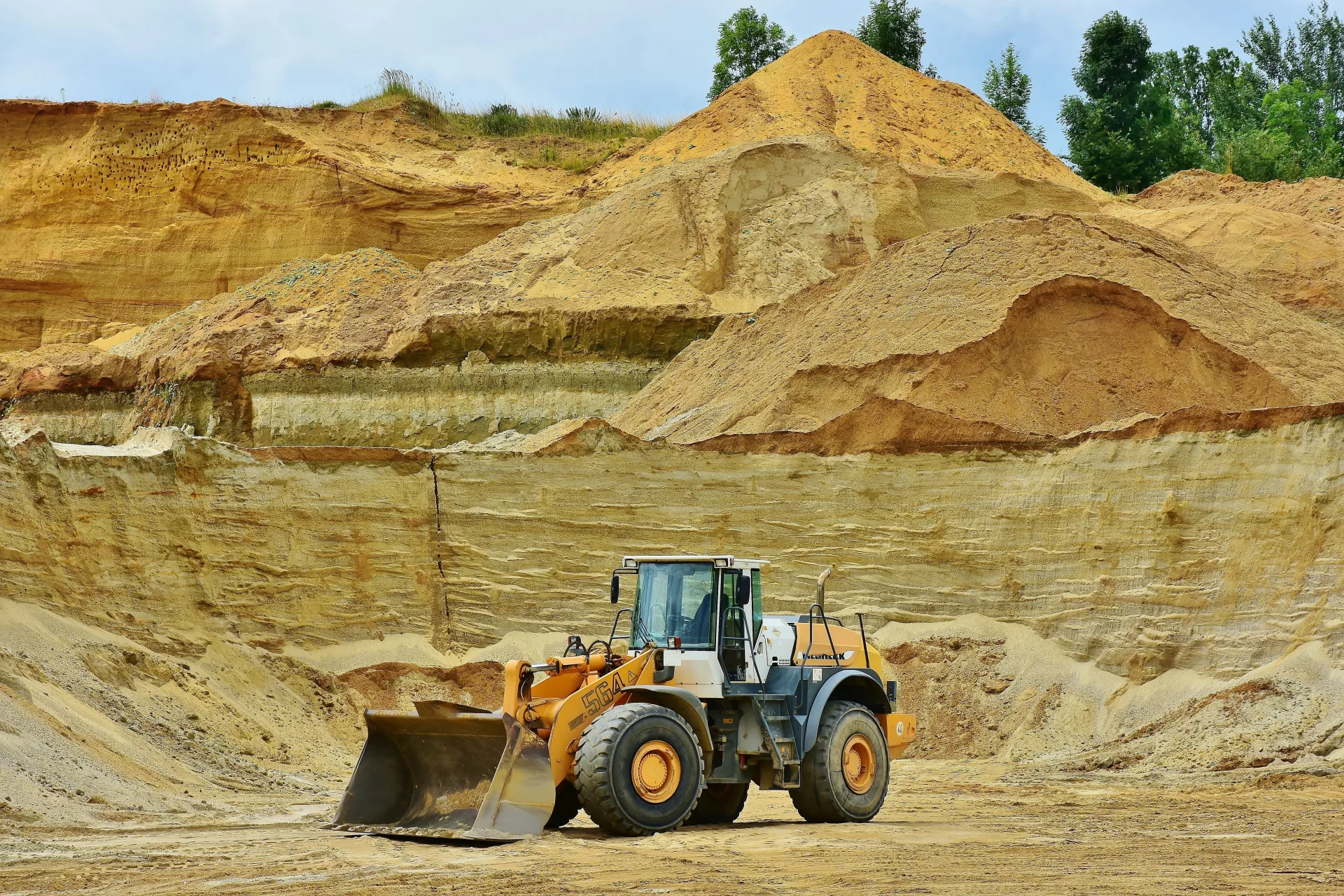
Excavation is often the first step, and it sets the tone for everything else. I have dug out foundations for retaining walls, run conduit for LED landscape lighting, and trenched for irrigation lines. The mess is temporary, but the result is permanent if you do it right. I always mark utility lines before I dig, and I check with the local municipality if I am working near the property line. That might sound basic, but I have seen too many horror stories where someone hit a gas line or a water main. That kind of mistake costs thousands and delays the project by weeks.
When I think about what makes a landscaping project successful, it comes down to communication and preparation. The phrase "jaydens landscaping" has come up in conversations with clients who appreciate that level of detail. They want someone who shows up on time, explains what is happening, and does not cut corners. I have worked with homeowners who had bad experiences with other contractors, and the main complaint was always the same: they felt rushed or ignored. I try to avoid that by being clear about timelines and costs from the start. If something unexpected comes up during excavation, I call the homeowner and explain the options before proceeding.
I have also seen how important it is to use the right materials for the specific application. Concrete pavers work great for driveways, but if you have a curved path, you might want a smaller paver that can follow the radius. Permeable pavers are ideal for patios where you do not want water pooling, but they require a deeper base than standard pavers. I have installed both types, and the prep work is different. Skimping on the base layer is the fastest way to get a call back six months later saying the pavers are shifting.
Stone veneer is another material where quality matters. I have used it on outdoor kitchens and retaining walls, and the difference between a good install and a bad one is in the corners. Wrapping the stone around the outside corner without a gap takes patience. But the finished look is worth it. Same with retaining walls. A wall that is properly built with geogrid and drainage stone will hold for decades. One that is just stacked on topsoil will fail in the first freeze. I have seen both, and I always recommend spending the extra money on the base work.
For clients who want a complete transformation, I combine hardscaping with soft landscaping. That means laying sodding in the areas that get enough sun, planting perennials and annuals in the beds, and putting down mulch to retain moisture and suppress weeds. I also install irrigation systems so the plants do not dry out during the hot weeks. In the GTA, July and August can be brutal on new plantings. A timer-based system takes the guesswork out of watering and saves water in the long run.
I have worked with a company called jaydens landscaping on a few projects where the scale was bigger than what I could handle alone. They brought in the equipment for excavation and grading, and I handled the finishing work. The collaboration went smoothly because everyone understood their role. That experience reinforced my belief that good landscaping is a team effort. The best results come when the designer, the excavator, and the installer are all on the same page.
If you are planning a project in Markham, Scarborough, or anywhere in the GTA, I recommend thinking about the whole year, not just the summer. Snow removal, grading, and drainage are just as important as the flowers and the patio. A well-planned landscape adds value to your property and makes your outdoor space usable in every season. And when you find a contractor who takes the time to do it right, hold onto them. That kind of reliability is hard to find.